The Transgender Amendment 2026: What It Means for Vested Rights
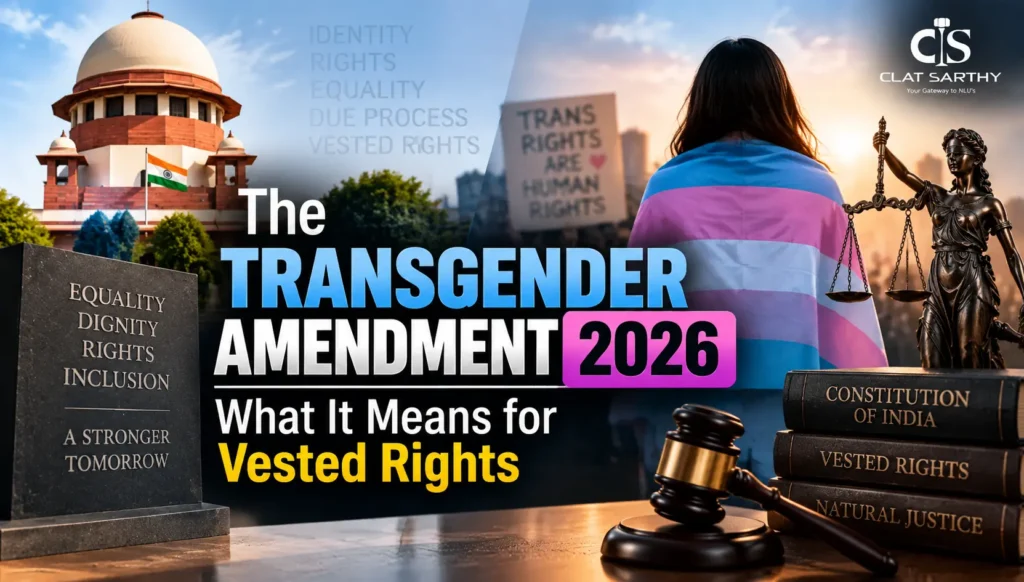
Introduction The Supreme Court of India recently examined a batch of writ petitions challenging the Transgender Persons (Protection of Rights) Amendment Act 2026. This legislative update changes the process for obtaining official transgender identity cards by replacing the previous self-assessment model with a strict verification framework. A three-judge bench led by Chief Justice of India […]
International Criminal Court (ICC)
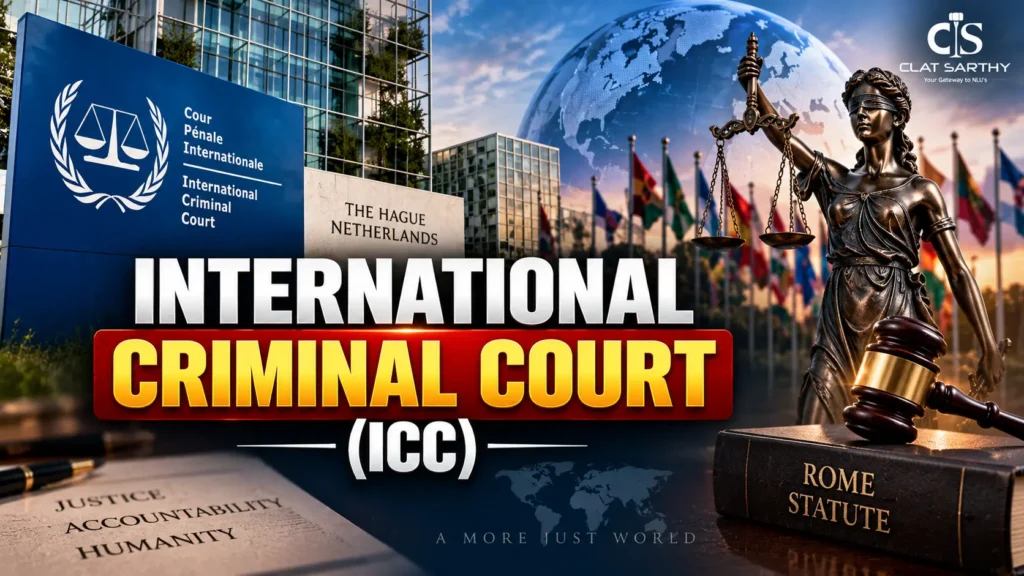
The International Criminal Court (ICC) is facing renewed pressure following measures taken by the United States against the Court, including sanctions on ICC officials and efforts to encourage countries to withdraw from the Rome Statute. Venezuela and Chad have also announced plans to leave the Rome Statute. These developments have once again raised questions about […]
BRICS 2026: India’s Leadership and Strategic Importance
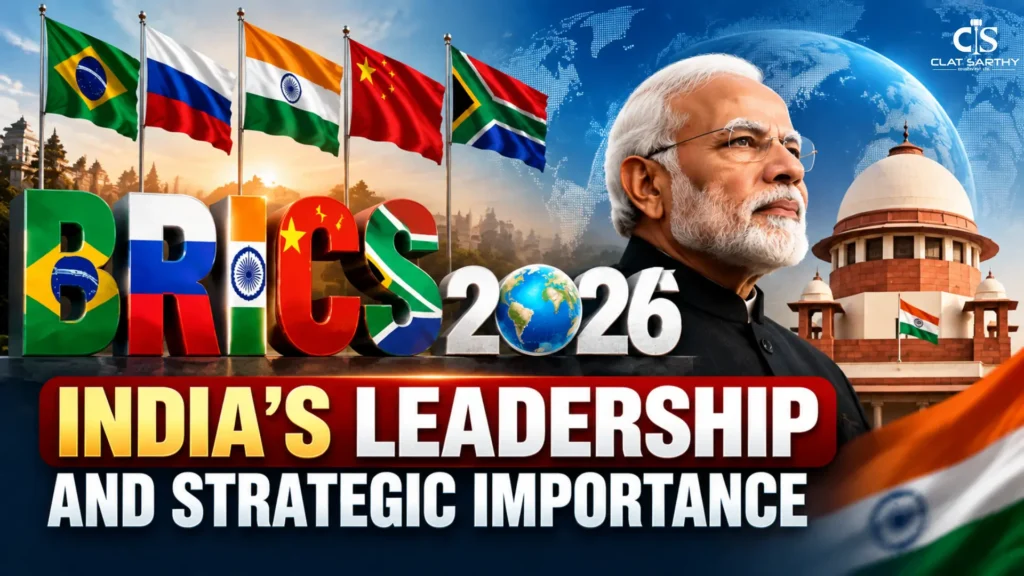
Why in News? India hosted the 18th BRICS Summit in New Delhi on 12–13 September 2026 under its BRICS Chairship. India’s theme for 2026 was: “Building for Resilience, Innovation, Cooperation and Sustainability.” The summit is important for CLAT 2027 because it connects with International Relations, Global South, India’s foreign policy, multilateralism and global governance. What […]
Supreme Court Relaxes Eligibility Criteria for Judicial Service Examinations: Key Relief for Law Graduates
Analysis of Bhumika Trust v. Union of India & Connected Cases (2026) and Its Impact on Fresh Law Graduates In a landmark judgment delivering major relief to thousands of judiciary aspirants across the country, the Supreme Court of India has substantially modified its earlier stance regarding mandatory legal practice requirements for appointment as Civil Judges […]
The Places of Worship Act, 1991: Statutory Intent, Constitutional Friction, and Recent Judicial Developments
The Places of Worship (Special Provisions) Act, 1991 is an important legislation dealing with the religious character of places of worship in India. Enacted against the backdrop of the Ram Janmabhoomi movement during the 1990s, the Act sought to preserve social order, uphold secularism, and provide legal finality regarding the religious character of places of […]
How to Choose the Best CLAT Coaching in Patna: 7 Things Students Should Check Before Enrolling
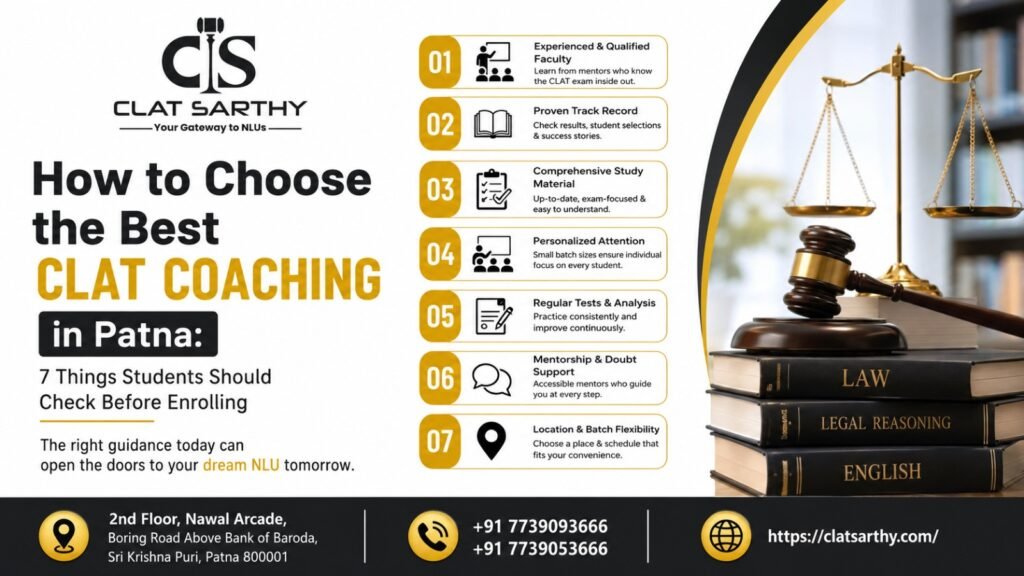
Picking the right tutoring center can really help you prepare for the CLAT. With so many options, students should not only look at ads but also compare teaching quality, study materials, testing systems, and mentoring support. Consider these seven important factors before choosing the Best CLAT Coaching in Boring Road Patna. Check the Faculty and […]
CLAT vs AILET vs SLAT: Which Law Entrance Exam Should You Prepare for in 2027
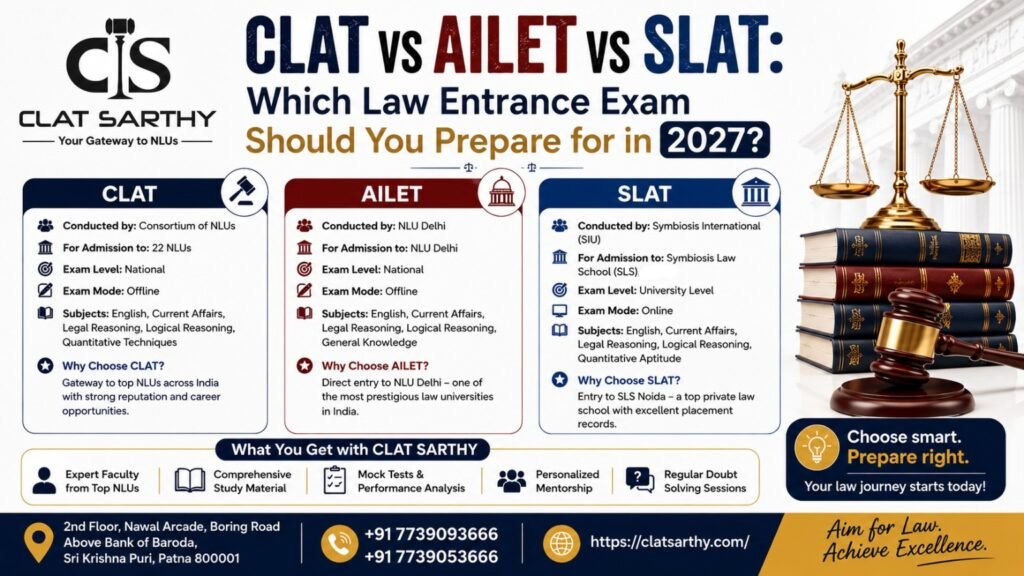
Students who want to get a law degree over five years in 2027 must first make a big choice: which law entrance exam to take. Some of the most well known choices are the CLAT, AILET, and SLAT. However, each test serves a different purpose for admissions. CLAT is the gateway to many National Law […]
THE RIGHT TO PROTEST VS. POLICE POWERS: ARTICLE 19, BNS & BNSS EXPLAINED FOR CLAT 2027 UG
Introduction The recent protests at Jantar Mantar during the “Chalo Sansad” rally demanding reforms in the National Testing Agency (NTA) have once again raised an important constitutional question: How far does the right to protest extend, and when can the police lawfully intervene? For CLAT 2027 UG aspirants, this issue is highly relevant because it […]
Understanding Article 142: The Supreme Court’s Power to Do Complete Justice
Introduction The Supreme Court of India is the guardian of the Constitution and the highest judicial authority in the country. While most courts are required to strictly follow statutory law, the Supreme Court possesses a unique constitutional power that allows it to ensure justice even in exceptional situations where existing laws may fall short. This […]
CLAT SARTHY: Trusted CLAT, AILET, SLAT & Law Entrance Coaching in Patna
Examinations such as CLAT, AILET, SLAT, MH CET Law, and CUET Law are taken by thousands of students every year to gain admission to India’s best law schools. Students need more than just study materials as the battle gets tougher. They need help from experts, an organised study plan, regular practice tests, and constant direction […]